Glass Skin in a Snowstorm: Rebuilding Your Complexion From the First Frost On
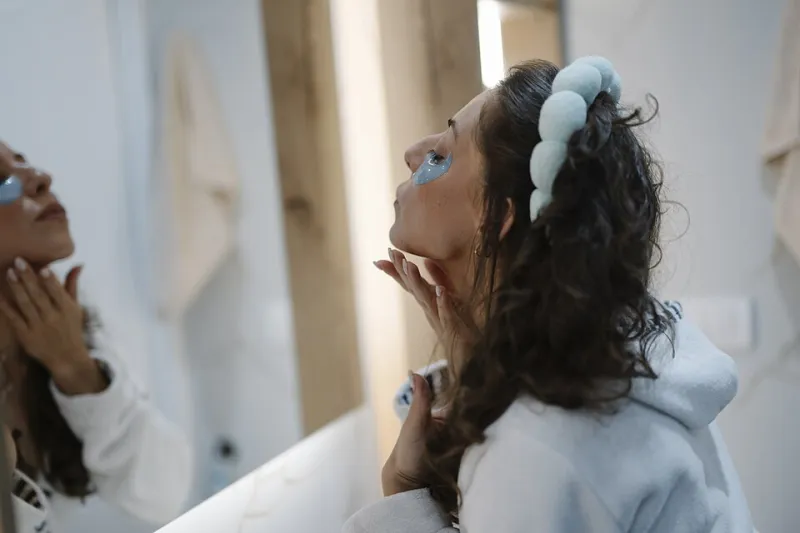
Photo: Shixart1985, CC BY 2.0, via Wikimedia Commons
There's a moment every December when your skin files a formal complaint. It starts subtly — a tightness after cleansing, a little flake at the corner of your nose — and by the time the first real cold snap rolls through, your complexion is officially in hibernation mode. Dull, parched, maybe a little angry. Sound familiar?
Here at Ivy Snow, we believe the coziest look of the season isn't an oversized scarf or a perfectly slouchy beanie. It's luminous, healthy skin. And getting it back isn't complicated — it just requires a strategy.
Why Winter Wrecks Your Skin (It's Not Just the Cold)
The real villain isn't the temperature — it's the lack of moisture in the air. Cold air holds far less humidity, and then indoor heating strips out whatever's left. Every time you step from a frosty sidewalk into a heated apartment or office, your skin endures a whiplash of extremes. This constant swing damages your moisture barrier: the thin lipid layer that keeps water in and irritants out.
When that barrier is compromised, transepidermal water loss (TEWL) skyrockets. Your skin dehydrates, gets inflamed, and starts overproducing oil to compensate — which is why you can be flaky and breaking out simultaneously. Charming, we know.
The fix isn't ten new products. It's three smart ingredient categories, layered correctly.
The Holy Trinity: Ceramides, Squalane, and Occlusives
Think of your barrier as a brick wall. The bricks are skin cells; the mortar is lipids. Winter depletes the mortar, so you need to replenish it.
Ceramides are literally the lipids your barrier is made of. Look for a moisturizer listing ceramide NP, AP, or EOP near the top of the ingredient list — CeraVe, Skinfix, and Dr. Jart's Ceramidin line are all excellent, widely available options.
Squalane is a featherweight, skin-identical oil that softens and seals without clogging pores. A few drops pressed over your moisturizer adds a glow that reads as "lit from within," not greasy.
Occlusives are the final lock on the door. Ingredients like petrolatum, shea butter, and lanolin form a physical film that prevents water loss overnight. Slugging — the internet's favorite term for applying a thin layer of Vaseline or Aquaphor as your last PM step — sounds odd, works beautifully, and costs about four dollars at any CVS in America.
Your Morning Routine: Prep, Prime, Protect
Winter mornings are about hydration that doubles as a makeup canvas.
- Cleanse gently. Swap foaming cleansers for a cream or milk formula. If your skin feels squeaky after washing, that's not clean — that's stripped.
- Hydrating essence or toner. Apply to damp skin. Look for glycerin or hyaluronic acid; this is your water layer.
- Serum. A hyaluronic acid serum on damp skin pulls moisture in. Skip strong exfoliating acids on frigid mornings — your barrier has enough to deal with.
- Moisturizer with ceramides. Give it 60 seconds to absorb.
- Sunscreen. Yes, even in January. Snow reflects up to 80% of UV rays, so if you're anywhere from Denver to the Berkshires, you're getting a double dose.
Layering Skincare Under Makeup (Without the Pilliness)
The number one winter makeup complaint: foundation clinging to dry patches. The culprit is usually timing and texture.
- Wait between layers. Skincare needs a minute or two to settle before base makeup, or it'll ball up. Make your coffee in between — multitasking at its finest.
- Thin layers beat thick ones. Two light applications of hydrating serum absorb better than one heavy coat.
- Match textures. Water-based skincare pairs with water-based foundation. A silicone-heavy primer over a rich cream moisturizer is a pilling recipe.
- Prep your base with a damp sponge. Pressing foundation in with a slightly damp Beautyblender melts makeup into hydrated skin instead of sitting on top of it.
For a glow boost, mix a drop of facial oil into your foundation. It sheers everything out and fakes eight hours of sleep.
Your Evening Routine: Repair Mode
Nighttime is when the rebuilding happens.
- Double cleanse if you wore makeup or SPF — an oil or balm cleanser first, then your gentle cream cleanser.
- A repair serum. This is where you can reintroduce actives: a gentle retinol two or three nights a week (buffered with moisturizer if you're sensitive), or a peptide serum on off nights.
- Rich moisturizer with ceramides and fatty acids.
- Occlusive on top — slugging time, especially on cheeks, around the nose, and anywhere windburn threatens.
- Bonus: run a humidifier by your bed. It's the single most underrated winter skincare product, and it makes your silk pillowcase feel even more luxurious.
The Chicest Thing You Can Wear This Season
A cashmere coat turns heads, but a healthy, lit-from-within complexion is what makes a look feel expensive. Winter beauty isn't about fighting the season — it's about working with it, layer by layer, the same way we build our favorite cold-weather outfits.
So this winter, treat your skin like the foundation of your wardrobe. Because when your barrier is happy, everything — your makeup, your mood, your mirror selfies in that new puffer — looks better.