Miles and Polish: What a Full Day Outside Actually Requires

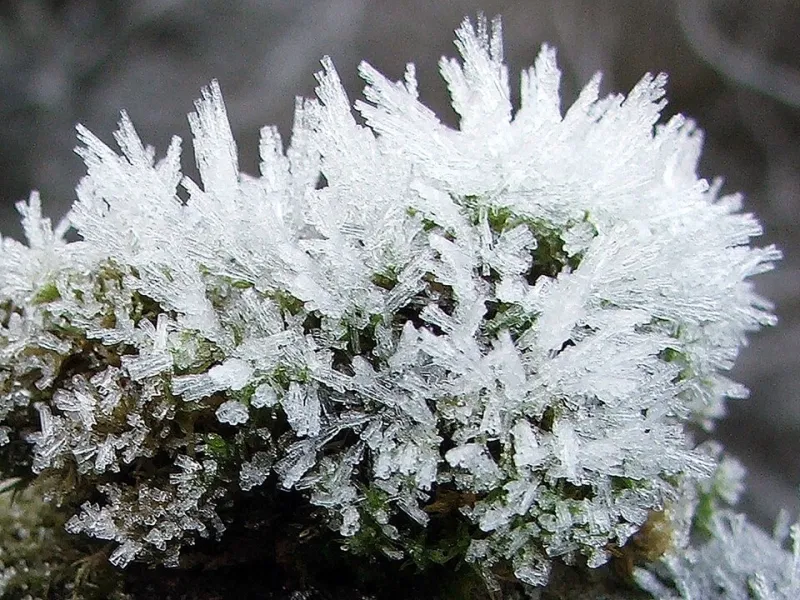
Photo: CEphoto, Uwe Aranas, CC BY-SA 4.0, via Wikimedia Commons
The long winter walk has become the season's most underrated social activity. Coffee at ten, a museum or a market at noon, a park loop, a bookstore, another coffee, dinner somewhere with a candle in the window. Ten thousand steps later the light is gone and you have spent an entire day outdoors, more or less, and you would like to still look like yourself at the end of it.
That is the real challenge. Not warmth, exactly. Composure. Anyone can be warm in January if they are willing to look like a duvet. The trick is being outside for seven hours in changing conditions and arriving at dinner with your hair, your hands, and your outfit intact.
The Layering Math
A long day outdoors is not one temperature. It is a series of them. The 8 A.M. walk to the car is 26 degrees. The sunny side of the street at noon is 41. The restaurant is 74. Nobody dresses well for a single temperature.
Build in three layers you can actually remove and carry. A silk or merino base next to skin, a mid-layer that looks good on its own, and an outer layer that you can unbutton, sling over a chair, or fold into a bag without ruining the line of everything beneath it.
The mid-layer is the one worth investing in, because it is the layer people will see for most of the afternoon. A fine cashmere crew, a good wool cardigan, a quilted vest — something that reads as an outfit rather than as underwear. The coat, ideally, should be light enough to carry comfortably if you decide to spend two hours in a warm gallery.
And be honest about the hat and scarf. They are the difference between a lovely day and a miserable one, and they are also the most photographable elements of the whole look. Choose them with that in mind.
Feet First
The entire day succeeds or fails at your ankles. Ten thousand steps in the wrong boots is not a styling problem, it is a pain problem, and no amount of good tailoring covers a wince.
You want a boot with a proper lugged sole, a warm lining, and enough room to accommodate a wool sock without compressing your toes. Compressed toes are cold toes. Size up a half if you are wearing thick socks, and rotate your boots between outings so they can dry fully.
Socks deserve real attention. Merino, medium cushion, no cotton. Cotton holds moisture next to the skin, which is the exact mechanism that makes winter feet miserable. A spare pair in your bag is not excessive; it is the single best insurance you can carry.
If the day involves uneven ground or a long trail section, wear the practical boot and change your clothes around it. Sitting down to dinner in a proper boot with a well-cut trouser is a thoroughly solved problem. Limping through a museum in the wrong shoe is not.
The Kit
Keep one small pouch in your bag all season. It does more for how you look at five o'clock than any outfit choice.
A tinted lip balm, a small hand cream with some substance, a compact with powder only if you actually get shiny, blotting papers, a hair tie plus two pins, and a tiny bottle of a scent you did not wear in the morning. Add a cleansing wipe if you are going straight from a five-mile walk to dinner.
Two extras that earn their space: a spare pair of socks and a folded thin scarf in a color that flatters you. The scarf cleans up a day of walking faster than anything else in the pouch, and the socks have saved more of my afternoons than I care to admit.
Hands, Hair, and Other Details
Your hands take the worst of a full outdoor day. Gloves, always, and a heavier cream than you use in summer applied before you leave and again at lunch. Leather gloves over a thin knit liner is the warmest version and the most polished-looking one.
For hair, plan for the hat. The sleek style you left the house with will not survive three hours under wool. Braids, a low twist, or a headband that works with hat-head rather than against it. Regarding your coat collar: choose a scarf that does not leave a mark, or untuck your hair deliberately so the dent looks like a choice.
Hydrate. Winter thirst is real and easy to miss, and a long day outdoors will dry your lips and eyes faster than a summer one. Carry water, and order the tea at three o'clock. It is both a genuine fix and the best part of the day.
The Pace of It
The whole point of the long winter walk is that it is slow. Stop for the coffee. Sit in the churchyard or the park for ten minutes. Take the photograph. Choose the route with the good window displays rather than the shortest route. Polish is frequently a function of not being in a hurry, and a day spent at a pleasant pace looks better on you than a day spent rushing in a well-made coat.
Dress for the day you are actually having, keep a small pouch that handles the hours you did not plan for, and let the boots be practical. That is the entire formula. Everything else is just walkable geography.